Blog

  • What Is a Piggyback Loan? | Pike Creek Mortgages Newark, DE

    What Is a Piggyback Loan? | Pike Creek Mortgages Newark, DE

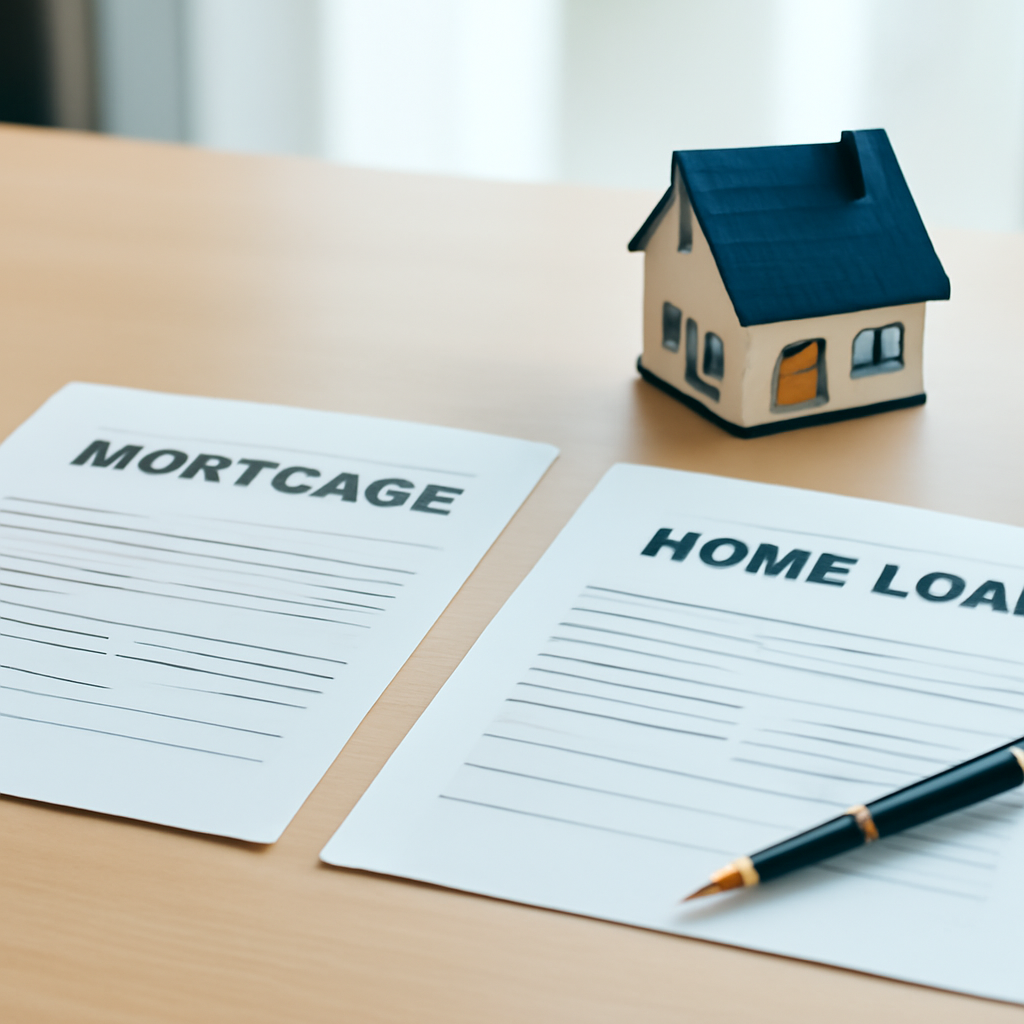
    A split view of two mortgage documents side by side on a desk, representing a piggyback loan structure with a calculator and house keys nearby

    What is a piggyback loan?

    A piggyback loan is a financing strategy where a homebuyer takes out two separate mortgages simultaneously — one large primary loan and one smaller second loan — to cover the purchase of a single home, often eliminating the need for private mortgage insurance (PMI). The two loans work together, or piggyback on each other, to bridge the gap between your down payment and the full purchase price.

    The most common structure is the 80-10-10: the first mortgage covers 80% of the home’s purchase price, the second mortgage covers 10%, and the buyer brings 10% as a down payment. Other configurations like 80-15-5 exist for buyers with less cash on hand.

    Pike Creek Mortgages in Newark, DE works with homebuyers across Delaware who use piggyback structures to get into a home sooner without the ongoing cost of PMI dragging down their monthly budget.

    How does a piggyback loan work step by step?

    At closing, you sign two separate loan agreements — typically a conventional first mortgage and a home equity loan or home equity line of credit (HELOC) as the second. Both loans fund simultaneously, meaning the seller sees a clean, fully financed transaction.

    Here is how the mechanics break down in practice:

    • The first mortgage is typically a 30-year conventional loan at a fixed rate, covering 80% of the purchase price.
    • The second mortgage is usually a 10- or 15-year home equity loan or HELOC, covering the remaining 10-15% gap. Its interest rate is almost always higher than the first.
    • You make two separate monthly payments — one to each lender, which may or may not be the same institution.
    • Once the second loan is paid off, you are left with only the primary mortgage payment.

    Because the first loan stays at or below 80% loan-to-value (LTV), conventional lenders do not require PMI — which is the core financial goal of the strategy.

    How much does PMI actually cost, and is avoiding it worth it?

    Private mortgage insurance typically costs between 0.5% and 1.5% of your original loan amount per year, added to your monthly payment until you reach 20% equity in the home. On a $350,000 home with a 5% down payment, that can mean an extra $140 to $420 per month in PMI premiums alone.

    Whether a piggyback loan saves you money depends on the interest rate you receive on the second mortgage versus what you would pay in PMI over the same period. In many cases — particularly when PMI rates are high or the second loan can be paid off quickly — the piggyback structure wins. However, second mortgages carry a higher rate, so the math is not always straightforward. An NMLS Licensed Lender at Pike Creek Mortgages can run a side-by-side comparison for your specific purchase price and credit profile before you commit.

    What are the current interest rates on piggyback second mortgages in Delaware?

    Second mortgage rates on piggyback loans are set independently from the primary loan and are almost always higher — often by 1 to 3 percentage points above current 30-year fixed rates. The exact rate depends on your credit score, the lender’s current pricing, the loan-to-value ratio of the second mortgage, and whether you choose a fixed home equity loan or a variable-rate HELOC.

    Because rates fluctuate and Delaware borrowers may qualify for different programs depending on purchase location and income, it is worth getting a written rate comparison rather than relying on generic national averages. As our guide to refinancing strategies covers, even a small rate difference on a second mortgage can shift the break-even point significantly over a five-year horizon.

    Who qualifies for a piggyback loan in Delaware?

    Piggyback loan eligibility generally requires stronger credit than a standard single-mortgage purchase, because you are underwriting two loans at once. Most lenders look for a minimum credit score of 680 on the primary loan, though 700 or above improves your odds of competitive pricing on both the first and second mortgage.

    Additional qualifying factors typically include:

    • A debt-to-income (DTI) ratio below 43% accounting for both monthly payments combined
    • Documented income sufficient to cover both obligations
    • A down payment of at least 5-10% in cash at closing
    • The property must be a primary residence or second home — investment properties rarely qualify for the piggyback structure

    Delaware’s real estate market, particularly in the Newark and Pike Creek corridor, features median home prices that often push buyers into PMI territory when putting down less than 20%. That makes the piggyback structure a genuinely practical option for qualified buyers in this market, not just a theoretical one.

    What are the risks and hidden costs of a piggyback loan?

    The most important cost buyers overlook is the closing cost of two loans instead of one. You will pay origination fees, appraisal costs, and title-related charges on both mortgages. Combined, this can add $1,500 to $4,000 or more in additional closing costs compared to a single-loan transaction, depending on the second loan amount.

    Other risks to account for before committing:

    • Variable rate exposure: If your second mortgage is a HELOC with a variable rate, your payment can rise if interest rates climb.
    • Refinancing complexity: Refinancing the first mortgage later requires the second lender’s cooperation — they must agree to remain in a subordinate lien position, which is not always guaranteed.
    • Two payment obligations: Missing a payment on either loan has consequences. The second mortgage, while smaller, is still a secured lien against your home.

    See our full guide to home equity loans and HELOCs for a deeper look at how second lien structures behave over time, especially if you are considering a variable-rate second.

    How does a piggyback loan compare to other low-down-payment options in Delaware?

    Delaware homebuyers who cannot put down 20% have several paths available — and the piggyback loan is just one of them. FHA loans allow down payments as low as 3.5% but carry mortgage insurance premiums (MIP) for the life of the loan in most cases. Conventional loans with PMI may be simpler to qualify for and eliminate PMI automatically at 20% equity. Delaware State Housing Authority (DSHA) programs offer down payment assistance that can reduce or eliminate the gap altogether for income-qualified buyers.

    The piggyback structure tends to make the most sense when you have 10% to put down, have strong credit, and want to avoid any form of mortgage insurance while keeping the first loan under conforming limits. It is not the right fit for every buyer, which is why Pike Creek Mortgages, serving Newark, DE and the surrounding Delaware communities, walks clients through a direct comparison of all available options before recommending a structure.

    When should you consider a piggyback loan versus waiting to save 20%?

    Waiting to reach a full 20% down payment is financially sound advice in a stable or declining market, but in a competitive market where home prices are rising, every month of waiting can cost more than the PMI you were trying to avoid. If Newark-area home values appreciate 5-7% annually, a $350,000 home you delay purchasing by 18 months may cost you $26,000 to $37,000 more — far exceeding the PMI you would have paid in that period.

    A piggyback loan can bridge that gap without forcing you to pay PMI, provided you qualify and the second mortgage rate is manageable. That said, timing and local market conditions matter. As covered in our homebuying timeline guide, the decision to buy now versus wait is rarely just a mortgage math question — it also involves job stability, local inventory, and your long-term plans for the property.

    This guide was prepared by the NMLS Licensed Lending team at Pike Creek Mortgages, serving Newark, DE and homebuyers throughout Delaware.

    Frequently Asked Questions

    What is a piggyback loan and how does it work?

    A piggyback loan combines two mortgages taken out simultaneously on the same home — typically an 80% first mortgage and a 10% second mortgage — so the buyer can put down only 10% while keeping the first loan below 80% LTV and avoiding PMI entirely.

    Does a piggyback loan save money compared to paying PMI?

    It often does, but not always. PMI costs 0.5% to 1.5% of the loan per year, while the second mortgage carries a higher interest rate. Which option is cheaper depends on your specific rate offers, how quickly you can pay off the second loan, and how long you plan to stay in the home.

    Can you refinance if you have a piggyback loan?

    Yes, but it requires an extra step — the second mortgage lender must agree to stay in a subordinate lien position when you refinance the first. This is called a subordination agreement, and most lenders will grant it, though it adds time and paperwork to the refinance process.

    What credit score do you need for a piggyback loan in Delaware?

    Most lenders require a minimum credit score of 680 to qualify for a piggyback structure, with 700 or higher typically needed to access competitive rates on both the first and second mortgage.

    Is a piggyback loan the same as an 80-10-10 loan?

    An 80-10-10 is the most common type of piggyback loan, where the first mortgage covers 80% of the purchase price, the second covers 10%, and the buyer provides a 10% down payment. Other structures like 80-15-5 also exist and follow the same piggyback concept.

  • The Home Selling Process Explained | Pike Creek Mortgages

    The Home Selling Process Explained | Pike Creek Mortgages

    A well-staged Delaware home with a sold sign in the front yard on a sunny day

    What is the home selling process, and how long does it take?

    The home selling process is the series of steps a homeowner takes to list, market, negotiate, and legally transfer their property to a buyer — and in the Newark, Delaware market, it typically takes 60 to 90 days from the first prep work to closing, though well-priced homes in strong condition can move significantly faster.

    Understanding the full timeline upfront prevents surprises and helps you coordinate the sale of your current home with the financing of your next one. At Pike Creek Mortgages, we work alongside sellers who are simultaneously buyers, which means we see the full picture every day.

    How do you prepare a home for sale in Newark, DE?

    Preparing a home for sale in Newark, Delaware starts with a brutally honest assessment of condition, curb appeal, and pricing — the three factors buyers weigh before they ever schedule a showing.

    Start with a pre-listing walkthrough. Walk every room as a buyer would. Note anything a home inspector might flag — aging HVAC systems, soft flooring, stained ceilings, or outdated electrical panels are common in older Delaware homes. Addressing these before listing keeps deals from falling apart during inspection contingencies later.

    Key preparation steps include:

    • Deep cleaning and decluttering every room, including attics and basements
    • Completing minor repairs (leaky faucets, chipped paint, broken fixtures)
    • Enhancing curb appeal — fresh mulch, trimmed hedges, a power-washed driveway go a long way in Delaware’s four-season climate
    • Staging key rooms (living room, primary bedroom, kitchen) to photograph well
    • Gathering documents: deed, HOA disclosures, utility bills, and permit records for any improvements

    Delaware law requires sellers to complete a Seller Disclosure of Real Property Condition form before going under contract. Incomplete or inaccurate disclosures are one of the most common causes of legal disputes after closing — fill it out completely and honestly.

    How do you price your home correctly for the Newark, DE market?

    Pricing a home correctly in Newark, DE means setting an asking price that reflects recent comparable sales within roughly a 0.5- to 1-mile radius, adjusted for square footage, lot size, condition, and upgrades — not simply what you hope to net after your mortgage payoff.

    A licensed real estate agent will provide a Comparative Market Analysis (CMA) at no charge in most cases. The CMA pulls closed sales data from the past 90 to 180 days and is the most reliable starting point for pricing in a market as neighborhood-specific as New Castle County.

    Overpricing is the single most damaging mistake a seller can make. A home that sits on market for more than 30 days without an offer accumulates what agents call ‘market stigma’ — buyers start assuming something is wrong with it, and price reductions later rarely recover the momentum of a well-priced launch.

    What happens once you list your home and start getting offers?

    Once your home is listed on the MLS, your agent will coordinate showings, collect buyer feedback, and present any purchase offers as they arrive — each of which you can accept, reject, or counter.

    In a competitive Newark, DE market, you may receive multiple offers within days. Evaluate each offer on more than just price. Consider:

    • Financing type — conventional, FHA, VA, or cash each carry different risk and timeline profiles
    • Contingencies — inspection, appraisal, and financing contingencies all give buyers exit ramps; fewer contingencies generally favor sellers
    • Closing timeline — does the buyer’s requested closing date align with your move-out plans?
    • Earnest money deposit — a larger deposit signals a more committed buyer

    Once you accept an offer, the home goes ‘under contract.’ This is where your transaction enters its most time-sensitive phase, and where lender coordination becomes critical if you are purchasing your next home simultaneously.

    What happens during the inspection and appraisal period?

    After a purchase agreement is signed, the buyer typically has 10 to 15 days to complete a home inspection, during which a licensed inspector will assess the property’s structure, systems, and safety — and the buyer may request repairs or credits based on findings.

    Sellers in Delaware are not legally required to make every repair a buyer requests, but refusing all requests can cause deals to collapse. The most common negotiated resolutions are a seller credit applied at closing (so you never touch a tool) or a price reduction in lieu of repairs.

    The appraisal follows shortly after and is ordered by the buyer’s lender — not the buyer directly. If your home appraises below the agreed purchase price, the deal must be renegotiated or the buyer must cover the gap out of pocket. Pricing your home accurately from the start significantly reduces appraisal risk.

    What does closing look like for a home seller in Delaware?

    Closing in Delaware is typically handled by a settlement attorney or title company, and as a seller, you will sign documents transferring ownership, pay off your existing mortgage, cover your share of closing costs, and receive your net proceeds — usually via wire transfer or check the same day.

    Seller closing costs in Delaware commonly include:

    • Real estate agent commissions — traditionally 5% to 6% of the sale price, though this is negotiable
    • Delaware transfer tax — currently 4% of the sale price, split equally between buyer and seller unless otherwise negotiated
    • Title search and settlement fees — typically $500 to $1,500 depending on the title company
    • Pro-rated property taxes and HOA fees through the closing date
    • Any seller-paid buyer concessions agreed to in the contract

    Request a preliminary HUD-1 or Closing Disclosure several days before settlement so you can review every line item before you arrive. Surprises at the closing table are almost always avoidable with advance review.

    What are the hidden costs and things sellers overlook in the home selling process?

    Beyond commissions and transfer tax, sellers frequently underestimate the total cost of a home sale — and the gap between gross sale price and net proceeds is often 8% to 10% of the sale price once all costs are accounted for.

    Costs sellers commonly overlook include:

    • Pre-listing repairs and staging — even modest updates can run $1,000 to $5,000 or more depending on the property’s condition
    • Carrying costs during the listing period — mortgage payments, utilities, insurance, and HOA dues continue until closing
    • Mortgage payoff penalties — some loan products carry prepayment penalties; review your loan terms before listing
    • Capital gains tax — if you have lived in the home fewer than two of the past five years, a portion of your profit may be federally taxable
    • Moving costs — often a last-minute expense that goes unbudgeted

    If you are selling a home to purchase another, coordinating your net proceeds with your down payment and closing timeline is one of the most complex financial puzzles homeowners face. As covered in our guide to bridge financing and simultaneous closings, Pike Creek Mortgages works with Newark, DE borrowers to structure lending around exactly these scenarios.

    Should sellers work with a mortgage lender before their home sells?

    Yes — if you plan to purchase another home after selling, you should connect with an NMLS licensed lender before your current home even lists, not after, so your buying power is clear and your offer on a new home can move quickly when the right property appears.

    Pike Creek Mortgages, serving Newark, DE and surrounding New Castle County communities, helps sellers-turned-buyers understand exactly how their projected net proceeds translate into a down payment, what purchase price range is realistic, and how to structure contingencies that protect them without making their offer uncompetitive.

    Getting pre-approved before you list means you are a buyer the moment you become a seller — a meaningful competitive advantage in a market where desirable homes still move quickly.

    This guide was prepared by Pike Creek Mortgages, an NMLS Licensed Lender serving Newark, DE and New Castle County.

    Frequently Asked Questions

    How long does it take to sell a house in Newark, DE?

    In Newark, Delaware, the full home selling process — from preparation through closing — typically takes 60 to 90 days. Well-priced homes in good condition can go under contract in days, but the inspection, appraisal, and lender processing period usually adds 30 to 45 days after an offer is accepted.

    What closing costs do sellers pay in Delaware?

    Delaware sellers typically pay real estate agent commissions of 5% to 6%, plus Delaware’s 4% transfer tax (split with the buyer unless negotiated otherwise), title and settlement fees of roughly $500 to $1,500, and any seller-paid buyer concessions. Total seller costs often amount to 8% to 10% of the sale price when all expenses are counted.

    Do I need a lawyer to sell my house in Delaware?

    Delaware does not legally require sellers to hire an attorney, but closings in the state are conducted through a settlement attorney or title company. It is strongly advisable to have legal representation review your purchase agreement, especially if the transaction involves contingencies, credits, or simultaneous closings.

    Can I sell my home and buy a new one at the same time in Newark, DE?

    Yes, simultaneous sales and purchases are common in Newark, Delaware, but they require careful coordination between your sale closing date and your new purchase closing date. Working with an NMLS licensed lender like Pike Creek Mortgages before you list helps you understand your buying power and structure a timeline that keeps both transactions on track.

    What is a seller disclosure in Delaware and is it required?

    Delaware sellers are legally required to complete a Seller Disclosure of Real Property Condition form before entering into a purchase contract. The form covers the home’s structure, systems, and known defects. Incomplete or inaccurate disclosures are a leading cause of post-closing legal disputes and should be filled out thoroughly and honestly.

  • Mortgage Pre-Payment Penalties Explained | Pike Creek Mortgages

    Mortgage Pre-Payment Penalties Explained | Pike Creek Mortgages

    A homeowner reviewing mortgage documents at a desk with a pen in hand, representing pre-payment penalty research

    What is a mortgage pre-payment penalty?

    A mortgage pre-payment penalty is a fee a lender charges if you pay off your loan — or a large portion of it — before a specified date in your loan term. The penalty exists because lenders price loans expecting a certain amount of interest income over time; when a borrower pays early, the lender loses that projected revenue and may recoup it through a contractual fee.

    Not every mortgage carries one. Whether your loan includes a pre-payment penalty clause depends entirely on the specific loan product and lender you choose — which is why reviewing your loan estimate and closing disclosure line by line matters before you sign.

    How much does a mortgage pre-payment penalty typically cost?

    Pre-payment penalties are most commonly calculated as a percentage of the outstanding loan balance or as a fixed number of months of interest, and the amounts can be significant. Common structures include 2% to 5% of the remaining loan balance, or a charge equal to six months of interest on the amount prepaid.

    On a $350,000 remaining balance, a 2% penalty equals $7,000 out of pocket — a cost that can easily erase the savings you expected from refinancing or selling. Some penalty clauses are tiered, meaning the percentage decreases the longer you hold the loan before paying it off early.

    What triggers a pre-payment penalty on a mortgage?

    A pre-payment penalty is typically triggered by one of three actions: paying off the full loan balance early (most commonly through a sale or refinance), making a lump-sum payment that exceeds a defined threshold (often 20% of the original loan balance in a single year), or refinancing the mortgage within the penalty period. Simply making extra monthly principal payments usually does not trigger a penalty, but you should confirm this in your loan agreement.

    The penalty window — called the pre-payment penalty period — is almost always defined in the promissory note, and it typically ranges from one to five years after origination. Once that window closes, you are free to pay off, refinance, or sell without any penalty regardless of what the original clause said.

    Are pre-payment penalties legal in Delaware?

    Yes, mortgage pre-payment penalties are generally legal in Delaware, but federal rules significantly limit where and how they can appear. Under the Dodd-Frank Act and Consumer Financial Protection Bureau (CFPB) regulations, pre-payment penalties are prohibited on most adjustable-rate mortgages and on any loan that does not meet the definition of a Qualified Mortgage (QM) with certain features. For Qualified Mortgages, penalties are only permissible during the first three years of the loan and are capped at 3% of the outstanding balance in year one, 2% in year two, and 1% in year three.

    FHA, VA, and USDA loans do not carry pre-payment penalties — period. Conventional loans may or may not include them depending on the lender and loan product. At Pike Creek Mortgages in Newark, Delaware, our NMLS Licensed Lender team walks every borrower through whether their specific loan product carries a penalty clause before closing — there are no surprises after you sign.

    How do I find out if my mortgage has a pre-payment penalty?

    The fastest way to find out is to check three documents: your Loan Estimate (page 3, under ‘Other Considerations’), your Closing Disclosure (same section), and your actual promissory note (look for a section titled ‘Borrower’s Right to Prepay’ or ‘Prepayment’). Federal law requires lenders to disclose the existence of a pre-payment penalty in the Loan Estimate, so it should never be hidden — but it is easy to miss if you are not looking for it specifically.

    If you are reviewing a loan you already have and cannot locate these documents, contact your loan servicer directly and ask whether your note includes a pre-payment penalty and what the current penalty period and calculation method are. As covered in our broader mortgage documents guide, understanding what each closing document actually says is one of the highest-value steps any borrower can take.

    Does refinancing trigger a pre-payment penalty?

    Yes — refinancing almost always triggers a pre-payment penalty if one exists in your current loan, because refinancing requires paying off the original loan in full. This is one of the most common and costly surprises homeowners in Newark, DE encounter when they pursue a refinance to capture a lower rate, only to discover the savings are wiped out by the penalty on their existing loan.

    Before moving forward with any refinance, calculate the true break-even by adding the pre-payment penalty to your closing costs and dividing the total by your monthly payment savings. If that break-even point is further out than you plan to stay in the home, the refinance may not make financial sense yet. Pike Creek Mortgages helps borrowers run this exact math before committing to a new loan — see our refinance cost comparison guide for a full breakdown of what to include in that calculation.

    What are the hidden costs and timing considerations around pre-payment penalties?

    Beyond the penalty itself, there are several layered costs borrowers often overlook. First, if a penalty delays a refinance by one to two years, you continue paying the higher rate during that window — the opportunity cost of waiting can rival the penalty amount itself. Second, if you are selling a home and the penalty reduces your net proceeds, it may affect your ability to put a full down payment on your next purchase.

    Timing matters too. If your penalty period ends in month 36 and you are at month 34, waiting 60 days before closing a refinance or sale could save you thousands. A good lender reviews this with you proactively — not after you have already signed a contract to sell or locked a new rate.

    How can I avoid a mortgage pre-payment penalty on my next loan?

    The most reliable way to avoid a pre-payment penalty is to ask directly — before you select a loan product — whether the loan includes one. Federal disclosure rules require the answer to appear in your Loan Estimate, but asking upfront shortens the discovery timeline. If a penalty clause is present and non-negotiable on a product you otherwise want, ask the lender whether a slightly higher interest rate can buy out the penalty clause; some lenders offer this tradeoff explicitly.

    Choosing FHA, VA, or USDA financing eliminates the risk entirely, since these loan types are federally prohibited from including pre-payment penalties. For conventional financing, working with an NMLS Licensed Lender like Pike Creek Mortgages in Newark, Delaware gives you access to a range of loan products and a team that explains the full cost structure of each option — not just the rate and the monthly payment.

    This guide was prepared by Pike Creek Mortgages, NMLS Licensed Lender, serving Newark, Delaware and the surrounding region.

    Frequently Asked Questions

    What is a mortgage pre-payment penalty?

    A mortgage pre-payment penalty is a fee your lender charges if you pay off your loan early — usually through selling, refinancing, or making a large lump-sum payment — before a defined penalty period ends, typically within the first one to five years of the loan.

    Do all mortgages have pre-payment penalties?

    No. FHA, VA, and USDA loans are prohibited by law from including pre-payment penalties. Many conventional loans do not carry them either, but you must check your Loan Estimate and promissory note to confirm — the presence or absence of a penalty must be disclosed before closing.

    How much is a typical mortgage pre-payment penalty?

    Most pre-payment penalties are calculated as 2% to 5% of the remaining loan balance, or as six months of interest on the amount prepaid — which can easily total several thousand dollars on a mid-sized mortgage.

    Will I owe a pre-payment penalty if I sell my home?

    Yes, if your loan includes a pre-payment penalty clause and you sell during the penalty period, the payoff of your mortgage at closing will trigger the fee. Check your loan documents and calculate whether the timing of your sale can be adjusted to fall outside the penalty window.

    How do I know if my mortgage has a pre-payment penalty in Delaware?

    Check page 3 of your Loan Estimate or Closing Disclosure under ‘Other Considerations,’ or review the ‘Borrower’s Right to Prepay’ section of your promissory note. If you cannot locate these documents, call your loan servicer and ask directly whether a penalty applies and when the penalty period ends.

  • How Mortgage Rates Are Determined | Pike Creek Mortgages

    How Mortgage Rates Are Determined | Pike Creek Mortgages

    A mortgage loan officer reviewing interest rate charts with a homebuyer at a desk in a bright professional office setting

    What actually determines your mortgage rate?

    Your mortgage rate is set by a combination of macroeconomic forces and your personal financial profile — lenders weigh both before quoting you a number. No single factor controls the rate; it is a calculation that layers market conditions on top of borrower-specific risk signals. Understanding each layer gives you real leverage when you sit down with an NMLS Licensed Lender like Pike Creek Mortgages in Newark, DE.

    The sections below walk through every major driver — from the Federal Reserve to your credit score — so you know exactly what is working for or against you before you apply.

    How does the Federal Reserve affect mortgage rates?

    The Federal Reserve does not set mortgage rates directly, but its federal funds rate decisions move the entire lending environment and strongly influence what borrowers pay. When the Fed raises its benchmark rate to cool inflation, the cost of short-term borrowing rises across the banking system, and lenders pass a portion of that cost to mortgage applicants. Conversely, when the Fed cuts rates, mortgage rates tend to ease — though not always immediately or dollar-for-dollar.

    Delaware borrowers felt this acutely during the rate-hiking cycles of recent years. Staying informed about Fed meeting dates and policy signals can help you time a rate lock more strategically — a topic covered in depth in our guide to rate lock strategies.

    What role do 10-year Treasury yields play in mortgage pricing?

    The yield on the 10-year U.S. Treasury note is the single closest benchmark to the 30-year fixed mortgage rate, and lenders monitor it daily when pricing loans. Because both instruments represent long-term, relatively safe lending, they move in the same direction — when investors sell Treasuries (pushing yields up), mortgage rates rise in tandem. The spread between the two is typically 1.5 to 2.5 percentage points, representing the additional risk premium lenders charge over a government-guaranteed instrument.

    When you see headlines about Treasury yields climbing or falling, that is the clearest leading indicator of where your rate quote is headed at Pike Creek Mortgages or any other lender in the Newark area.

    How does your credit score affect the interest rate you are offered?

    Your credit score is the single most controllable personal factor in your mortgage rate, and the difference between score tiers can translate to tens of thousands of dollars over the life of a loan. Lenders use risk-based pricing, meaning a higher score signals lower default probability and earns a lower rate. A borrower with a 760+ score will routinely receive a rate that is 0.5 to 1.5 percentage points lower than a borrower in the 620–639 range on the same loan product.

    Before applying, pull your credit reports from all three bureaus, dispute any errors, and pay down revolving balances to reduce your utilization ratio. Even a 20- to 30-point improvement in your score can move you into a better pricing tier. See our full guide to credit preparation for homebuyers for a step-by-step action plan.

    Does your down payment size change your mortgage rate?

    Yes — a larger down payment reduces lender risk and directly lowers the rate you are offered, because the loan-to-value (LTV) ratio shrinks. A borrower putting down 20% or more eliminates the need for private mortgage insurance (PMI) and typically qualifies for the most competitive rate tier. Borrowers at 10% or 5% down will pay a higher rate and carry PMI, adding to the effective monthly cost.

    In the Newark, DE housing market, where median home prices reflect the broader New Castle County market, the difference between a 5% and 20% down payment on a $350,000 home is $52,500 upfront — but it can reduce your rate meaningfully and eliminate a PMI premium that often runs $80 to $200 per month.

    What hidden or overlooked factors do lenders use to set your rate?

    Beyond credit score and down payment, lenders evaluate several factors that borrowers often overlook when comparing rate quotes.

    • Debt-to-income ratio (DTI): Lenders prefer a DTI at or below 43%; higher ratios signal stretched finances and trigger rate adjustments or outright denials.
    • Loan type: Conventional, FHA, VA, and USDA loans each carry different baseline rates and insurance structures. VA loans, for instance, often carry rates 0.25 to 0.5 percentage points lower than conventional equivalents for eligible veterans.
    • Loan term: A 15-year fixed mortgage consistently prices 0.5 to 0.75 percentage points below a 30-year fixed because the lender’s exposure window is cut in half.
    • Property type and occupancy: Investment properties and second homes command higher rates than primary residences, reflecting elevated default risk.
    • Discount points: Borrowers can pay upfront points — each point equals 1% of the loan amount — to permanently buy down the rate, often lowering it by approximately 0.25 percentage points per point paid.

    Transparency about all of these levers is a core part of how Pike Creek Mortgages works with clients in Newark, DE and across Delaware — no surprises at closing.

    Does where you live in Delaware affect your mortgage rate?

    State-level factors do influence mortgage pricing in Delaware, though more indirectly than your personal financial profile. Delaware has no state-level transfer tax exemptions that directly lower rates, but property values in New Castle County — where Newark sits — and the strength of the local real estate market affect lender confidence and appraisal outcomes. A low appraisal can force your LTV ratio higher, effectively costing you a better rate tier even if your finances are strong.

    Delaware also has a relatively business-friendly lending environment, which keeps lender competition healthy and benefits borrowers shopping rates across multiple institutions. Pike Creek Mortgages, as an NMLS Licensed Lender serving Newark, DE, operates within this competitive landscape and encourages clients to understand exactly how their local market conditions are factored into a quote.

    What is included in a mortgage rate quote — and what is not?

    A rate quote is not the same as your annual percentage rate (APR), and confusing the two is one of the most common — and costly — mistakes first-time buyers make. Your quoted interest rate reflects only the cost of borrowing the principal. The APR folds in lender fees, origination charges, mortgage insurance, and certain closing costs to produce a truer annualized cost of the loan.

    When comparing offers from multiple lenders, always compare APRs on the same loan type and term — not just the headline rate. Also ask each lender for a Loan Estimate (the standardized three-page disclosure required within three business days of application) so line-item fees are visible and directly comparable. Hidden costs to watch for include lender origination fees, rate lock extension fees if closing is delayed, and appraisal and credit report charges that some lenders absorb and others pass through.

    When is the best time to lock your mortgage rate in Delaware?

    The best time to lock your rate is when you have a ratified purchase contract and rate trends suggest the market is moving upward — or when the quoted rate fits comfortably within your budget regardless of future movement. Rate locks typically run 30, 45, or 60 days, with longer locks carrying a small premium of 0.125 to 0.25 percentage points in many cases.

    Delaware’s real estate transaction timelines, including title search requirements and the standard settlement process through New Castle County, typically make a 45-day lock the practical default for most purchase transactions. Talk with your loan officer at Pike Creek Mortgages about your specific contract timeline before committing to a lock period.

    This guide was prepared by Pike Creek Mortgages, NMLS Licensed Lender, serving Newark, DE and homebuyers across Delaware.

    Frequently Asked Questions

    What is the biggest factor that determines my mortgage rate?

    Your credit score has the largest individual impact on the rate you are offered, with the difference between a low and high score potentially costing or saving you 0.5 to 1.5 percentage points — worth tens of thousands of dollars over a 30-year loan.

    Does the Federal Reserve directly set mortgage rates?

    No. The Fed sets the federal funds rate, which influences short-term borrowing costs across the banking system. Mortgage rates track more closely with 10-year Treasury yields, though both move in response to Fed policy signals.

    How much does a larger down payment reduce my mortgage rate?

    Putting down 20% or more typically earns you the best rate tier and eliminates private mortgage insurance. Borrowers at 5% to 10% down pay a higher rate and usually owe PMI, which can add $80 to $200 per month to the effective cost.

    What is the difference between a mortgage rate and APR?

    The interest rate reflects only the cost of borrowing the principal. The APR includes lender fees, origination charges, and mortgage insurance, making it a more accurate measure of the loan’s true annual cost — always compare APRs when shopping multiple lenders.

    How long should I lock my mortgage rate in Delaware?

    A 45-day rate lock is the most practical choice for most Delaware purchase transactions, given standard New Castle County title and settlement timelines. Longer locks are available but typically carry a small rate premium of 0.125 to 0.25 percentage points.

  • The Home Appraisal Process Explained | Newark, DE

    The Home Appraisal Process Explained | Newark, DE

    A professional appraiser measuring a home interior in Newark Delaware for a mortgage appraisal

    What is a home appraisal and why is it required for a mortgage in Newark, DE?

    A home appraisal is an independent, licensed professional’s formal opinion of a property’s current market value — and mortgage lenders require one before approving a home loan to confirm the collateral is worth the amount being borrowed. In Newark, DE, whether you are purchasing a colonial near the University of Delaware or refinancing a townhome in the Brookside area, your lender will order an appraisal as a standard step in the loan process. At Pike Creek Mortgages, an NMLS Licensed Lender serving Newark and the greater New Castle County area, the appraisal is treated as a consumer protection as much as a lender requirement — it ensures you never overpay relative to what the market supports.

    Without a satisfactory appraisal, a conventional, FHA, or VA loan cannot close. The appraisal is distinct from a home inspection: inspectors evaluate condition and safety, while appraisers establish value. Understanding the difference early prevents surprises at the closing table.

    Who orders the appraisal and who pays for it?

    Your lender — in this case Pike Creek Mortgages — orders the appraisal through an independent Appraisal Management Company (AMC) to satisfy federal regulations that prohibit lenders from directly selecting or influencing the appraiser. The cost, however, is paid by the borrower, typically at or before closing, and is a standard line item in your Loan Estimate. In the Newark, DE market, home appraisal fees generally run $400 to $600 for a standard single-family property, though complex properties, larger square footage, or rural parcels outside city limits can push fees toward $700 or more. Refinance appraisals fall within the same range.

    Because the fee goes directly to the AMC and appraiser — not to Pike Creek Mortgages — it is a true third-party cost. You will see it broken out clearly on your Loan Estimate and Closing Disclosure. For a full breakdown of closing costs in Delaware, see our guide to what to expect at the closing table.

    What does a home appraiser actually look at during the visit?

    During the on-site visit — which typically takes 30 to 60 minutes for an average Newark home — the licensed appraiser evaluates both the physical condition of the property and the characteristics that drive market value. Key items they document include gross living area (measured in square feet), number of bedrooms and bathrooms, lot size, garage capacity, basement finish level, overall condition (rated on a standardized scale), and any significant upgrades such as a renovated kitchen or updated HVAC system.

    Delaware’s older housing stock means appraisers in Newark frequently flag deferred maintenance on items like original windows, aging roofs, or oil-to-gas conversion status — all of which can affect the final value opinion. The appraiser will photograph every room, the exterior from all four sides, the street scene, and any notable features or deficiencies. After the visit, they spend considerably more time in the office than on-site, typically two to five business days, researching comparable sales and writing the formal report.

    How does the appraiser determine the final value — what are comparable sales?

    Appraisers primarily use the Sales Comparison Approach, selecting three to six recently sold properties (called ‘comps’) that are similar in size, style, location, and condition to the subject property. Each comp is adjusted up or down in dollar increments to account for differences — for example, if a comp has one fewer bathroom, the appraiser adds a value adjustment to make it equivalent to the home being appraised. The adjusted values of the comps are then reconciled into a final opinion of value.

    In Newark, DE, appraisers generally prioritize sales within a one-mile radius and within the past 90 days, though in neighborhoods with limited turnover — such as some established subdivisions near White Clay Creek State Park — they may expand to six months or a slightly wider geographic boundary. For income-producing or mixed-use properties, appraisers may also apply an Income Approach. New construction is often evaluated using a Cost Approach alongside the sales comparison method.

    What happens if the appraisal comes in below the purchase price?

    A low appraisal means the lender will only lend against the appraised value, not the contract price — this is one of the most stressful situations in any purchase transaction, and Pike Creek Mortgages walks every client through the options clearly rather than leaving them to figure it out alone. If the appraisal comes in below your agreed purchase price, you have several paths: negotiate with the seller to reduce the price to the appraised value, make up the difference in cash out of pocket, request a Reconsideration of Value (ROV) from the appraiser if you can identify legitimate comparable sales that were overlooked, or in some cases, walk away if your contract includes an appraisal contingency.

    Delaware purchase contracts routinely include appraisal contingencies, which protect buyers by allowing them to exit without losing their earnest money if the property does not appraise. Ask your Pike Creek Mortgages loan officer whether your specific loan program has any flexibility before assuming you must cover a gap in cash.

    How long does the appraisal process take from order to report delivery?

    From the moment Pike Creek Mortgages places the appraisal order, the full process — scheduling, on-site visit, report writing, and AMC review — typically takes 7 to 14 business days in the current Newark, DE market, though tight appraiser availability or complex properties can extend that to three weeks. The appraisal is usually ordered shortly after you go under contract and your initial disclosures are signed, placing it on the critical path of your closing timeline.

    You are entitled to receive a copy of your appraisal report at least three business days before closing under federal law (the ECOA appraisal disclosure rule) — but in practice, Pike Creek Mortgages delivers it as soon as it is received so you have ample time to review it and raise any questions. Rush appraisals are available in some circumstances for an additional fee, typically $75 to $150 above the standard rate.

    How should you prepare your home for an appraisal if you are refinancing?

    If you are refinancing with Pike Creek Mortgages and an appraisal is required, a few hours of preparation can meaningfully support a stronger value opinion — not by staging for show, but by ensuring the appraiser can accurately document what your home offers. Complete any minor deferred maintenance before the visit: patch drywall holes, replace broken fixtures, ensure all rooms are accessible, and make sure the basement and attic hatch can be opened and inspected. Clean, uncluttered spaces allow the appraiser to measure accurately and photograph without obstacles.

    Prepare a one-page summary of improvements you have made — with approximate dates and costs — and hand it to the appraiser at the start of the visit. In Newark’s competitive housing market, a recently remodeled bathroom, new roof, or energy-efficient windows are legitimate value contributors, but only if the appraiser knows about them. You cannot dictate the outcome, but you can make sure the appraiser has complete information. For more on what affects your home’s value in New Castle County, see our related post on refinancing strategies for Delaware homeowners.

    Are there appraisal waivers — and does Pike Creek Mortgages offer them?

    Yes — Fannie Mae and Freddie Mac both offer appraisal waivers (also called Property Inspection Waivers or Value Acceptance) on eligible conventional loans where automated underwriting systems have enough data to establish confidence in the property’s value without a full appraisal. When a waiver is offered and accepted, borrowers save the appraisal fee entirely and the loan can move faster through underwriting. FHA and VA loans generally still require a traditional appraisal, though VA Interest Rate Reduction Refinance Loans (IRRRLs) are a notable exception.

    Pike Creek Mortgages, as an NMLS Licensed Lender, runs every eligible conventional loan through automated underwriting systems early in the process to identify waiver eligibility before the appraisal is ordered — so you are not paying for one unnecessarily. Not every property or transaction qualifies, particularly investment properties, high loan-to-value loans, or properties with limited comparable sales data in the area.

    This guide was prepared by Pike Creek Mortgages, NMLS Licensed Lender, serving Newark, DE and the greater New Castle County region.

    Frequently Asked Questions

    How much does a home appraisal cost in Newark, DE?

    Home appraisals in Newark, DE typically cost between $400 and $600 for a standard single-family property. Complex or larger homes can push fees to $700 or more. The fee is paid by the borrower and goes to the independent appraiser, not the lender.

    How long does a home appraisal take in Delaware?

    The full appraisal process — from ordering to receiving the completed report — typically takes 7 to 14 business days in the Newark, DE market. Complex properties or high appraiser demand can extend the timeline to about three weeks.

    What happens if my home appraises for less than the purchase price?

    If an appraisal comes in below the contract price, your options include negotiating a price reduction with the seller, paying the difference in cash, requesting a Reconsideration of Value, or exiting the contract under an appraisal contingency. Your Pike Creek Mortgages loan officer can walk you through which path fits your loan program and situation.

    Can I avoid a home appraisal when getting a mortgage?

    On eligible conventional loans, Fannie Mae and Freddie Mac may issue an appraisal waiver through their automated underwriting systems, eliminating the need for a full appraisal and saving the borrower the fee. FHA and most VA purchase loans still require a traditional appraisal.

    Who selects the home appraiser — me or my lender?

    Federal regulations require lenders to order appraisals through an independent Appraisal Management Company (AMC), meaning neither the borrower nor the loan officer hand-picks the appraiser. This ensures the appraisal remains an objective, uninfluenced opinion of value.

  • Conventional vs. Government-Backed Loans | Newark, DE

    Conventional vs. Government-Backed Loans | Newark, DE

    Side-by-side comparison of mortgage loan documents representing conventional and government-backed loan options in Newark Delaware

    What is the difference between a conventional loan and a government-backed loan?

    A conventional loan is a mortgage not insured or guaranteed by a federal agency, while government-backed loans — including FHA, VA, and USDA programs — carry a federal guarantee that reduces risk for lenders. That fundamental difference shapes everything downstream: who qualifies, how much you need upfront, what you pay in insurance premiums, and how the loan is structured over time.

    At Pike Creek Mortgages in Newark, Delaware, NMLS Licensed Lenders walk borrowers through both paths every day, because the right answer depends heavily on your credit profile, down payment savings, military status, and where in Delaware you plan to buy.

    What credit score do you need for a conventional loan vs. an FHA loan?

    Most conventional loans require a minimum credit score of 620, though borrowers with scores of 740 or above typically unlock the most competitive interest rates and avoid additional risk-based pricing adjustments. FHA loans, backed by the Federal Housing Administration, accept scores as low as 580 with a 3.5% down payment, or as low as 500 with a 10% down payment — making them a meaningful option for buyers rebuilding credit history.

    For Newark-area buyers who have strong income but a limited credit file — common among recent University of Delaware graduates entering homeownership — FHA financing often serves as the practical bridge to a first purchase. Conventional financing typically becomes more cost-effective once your score clears 680–700 and you can avoid or minimize private mortgage insurance.

    How much do you need for a down payment on each loan type?

    Conventional loans can go as low as 3% down for qualified first-time buyers, though putting down less than 20% triggers private mortgage insurance (PMI). FHA loans require 3.5% down at a 580+ credit score. VA loans — available to eligible veterans, active-duty service members, and surviving spouses — require 0% down with no PMI. USDA loans also offer 0% down for properties in eligible rural and suburban areas.

    • Conventional: as low as 3% down; PMI required below 20% equity
    • FHA: 3.5% down (score 580+); mortgage insurance premium (MIP) required for the life of the loan in most cases
    • VA: 0% down; no PMI; funding fee applies in most cases
    • USDA: 0% down in eligible areas; annual guarantee fee applies

    Delaware has a notable mix of urban corridors and qualifying rural zones. Parts of western New Castle County and areas south of Newark may fall within USDA eligibility maps — a detail worth confirming directly with Pike Creek Mortgages before ruling the program out.

    What are the mortgage insurance differences, and what do they cost?

    Mortgage insurance is one of the most financially significant differences between loan types, and it is an area where borrowers often underestimate total cost. On a conventional loan, PMI typically runs 0.5% to 1.5% of the loan amount annually — and critically, it cancels automatically once your loan-to-value ratio reaches 78%, or you can request removal at 80% LTV.

    FHA loans carry an upfront mortgage insurance premium of 1.75% of the loan amount, plus an annual MIP of 0.55% to 1.05% depending on loan term and LTV. For most FHA borrowers putting down less than 10%, that annual MIP stays for the entire life of the loan — meaning refinancing into a conventional loan later is often the exit strategy once equity builds. VA and USDA loans have no ongoing monthly mortgage insurance, though VA loans charge a one-time funding fee ranging from 1.25% to 3.3% of the loan amount depending on down payment and usage.

    Which loan type has higher loan limits in the Newark, Delaware area?

    For 2024, the conforming loan limit for conventional loans in New Castle County, Delaware — which includes Newark — is $766,550 for a single-family home. FHA loan limits in New Castle County match that same baseline for most standard transactions. VA loans have no statutory loan limit for eligible borrowers with full entitlement, making VA financing particularly powerful for higher-priced properties in the Wilmington metro and surrounding suburbs.

    Buyers targeting homes above the conforming limit would need a jumbo conventional loan, which carries stricter qualification requirements. As covered in our guides on purchase financing and refinancing strategy, loan limits are a key checkpoint to verify early in the process — not after you are under contract.

    Are there property condition requirements that affect which loan I can use?

    Government-backed loans carry stricter property condition standards than conventional loans — and this matters practically in a market like Newark, DE, where you will find everything from new construction near Route 273 to older colonial-era homes in established neighborhoods. FHA, VA, and USDA appraisals include a property condition review: issues like peeling paint, roof deterioration, non-functioning HVAC systems, or safety hazards can trigger required repairs before closing.

    Conventional appraisals focus primarily on value rather than condition, giving buyers and sellers more flexibility in as-is transactions and estate sales. If you are purchasing a fixer-upper or a property with known deferred maintenance, conventional financing is almost always the smoother path — though FHA 203(k) rehabilitation loans exist specifically for buyers who want to finance repairs into the mortgage.

    Who qualifies for VA and USDA loans specifically?

    VA loans are available to veterans, active-duty service members, National Guard and Reserve members who meet service requirements, and eligible surviving spouses — there is no income cap, and the benefit can be used multiple times. Given Delaware’s proximity to Dover Air Force Base and the substantial military and veteran community throughout New Castle County, VA financing is one of the most impactful programs Pike Creek Mortgages works with regularly.

    USDA loans are income-limited — household income generally cannot exceed 115% of the area median income for the county — and the property must sit within a USDA-designated eligible area. Not all of Newark proper qualifies, but surrounding townships and communities in southern Delaware frequently do. Income eligibility and property maps are updated periodically, so confirming current status with a licensed lender before starting your search is essential.

    What are the hidden costs and total picture for each loan type?

    Comparing loan types on interest rate alone misses the full cost picture. Below is what borrowers should account for beyond the base rate.

    • Conventional loans: PMI (if under 20% down), appraisal fee, origination fees, title insurance
    • FHA loans: 1.75% upfront MIP (can be rolled into loan), ongoing annual MIP, stricter appraisal process can add time and repair costs
    • VA loans: Funding fee (1.25%–3.3%, waived for borrowers with service-connected disability), otherwise very low out-of-pocket costs; no PMI saves hundreds per month
    • USDA loans: 1% upfront guarantee fee (typically rolled in), 0.35% annual fee — lower than FHA MIP in most scenarios

    One overlooked factor: seller concession limits differ by loan type. Conventional loans allow sellers to cover 2%–9% of closing costs depending on LTV; FHA and USDA cap it at 6%; VA caps non-allowable fees the seller must pay, but has no set percentage ceiling. In a negotiated Delaware market, knowing these limits can shape your offer strategy meaningfully.

    When does it make sense to choose a conventional loan over a government-backed loan?

    Conventional financing is typically the better choice when you have a credit score of 700 or above, can put at least 5%–10% down, are buying a property in good condition, and want the flexibility to cancel mortgage insurance once you reach 20% equity. It is also the natural fit for move-up buyers, investors purchasing second homes, and anyone whose purchase price or property type falls outside government program guidelines.

    Government-backed loans win when you have limited savings, a credit profile that does not meet conventional standards, military service that opens the VA benefit, or a property in a rural-eligible zone. Neither path is universally superior — the right answer is the one that costs you less over your actual expected time in the home, factoring in insurance, rate, and fees together.

    This guide was prepared by Pike Creek Mortgages, NMLS Licensed Lender, serving Newark, DE and the greater New Castle County area.

    Frequently Asked Questions

    What is the minimum down payment for a conventional loan vs. FHA loan in Delaware?

    Conventional loans can require as little as 3% down for eligible first-time buyers, while FHA loans require 3.5% down with a credit score of 580 or higher. Both options require mortgage insurance when you put down less than 20%, though the type and duration of that insurance differ significantly.

    Can I get a VA loan if I live near Dover Air Force Base or anywhere in New Castle County?

    Yes — VA loan eligibility is based on your military service history, not your location. Eligible veterans, active-duty service members, and qualifying surviving spouses anywhere in Delaware, including the Newark and Wilmington areas, can use VA financing with no down payment and no monthly mortgage insurance.

    How long does FHA mortgage insurance last compared to conventional PMI?

    Conventional PMI automatically cancels once your loan reaches 78% loan-to-value, or you can request removal at 80%. FHA mortgage insurance premium (MIP) stays for the life of the loan if you put down less than 10%, which is why many FHA borrowers eventually refinance into a conventional loan once they build equity.

    Do government-backed loans have stricter home condition requirements than conventional loans?

    Yes. FHA, VA, and USDA appraisals include a property condition review that can require repairs before closing if the home has safety hazards, roof issues, or significant deferred maintenance. Conventional appraisals focus primarily on value, making them more suitable for as-is purchases and fixer-uppers.

    Which loan type is best for a first-time home buyer in Newark, DE?

    It depends on your credit score, savings, and whether you have military service eligibility. FHA loans are often the most accessible for buyers with credit scores between 580 and 680 and limited savings. VA loans are the strongest option for eligible veterans. Conventional loans typically become more cost-effective once your score exceeds 700 and you can put down at least 5%.

  • Down Payment Assistance Programs in Newark, DE

    Down Payment Assistance Programs in Newark, DE

    A smiling couple reviewing mortgage documents at a kitchen table with keys and a small model house nearby, representing down payment assistance in Newark DE

    What is a down payment assistance program and how does it work?

    A down payment assistance (DPA) program is a financial benefit — offered as a grant, forgivable loan, or low-interest second mortgage — that reduces the upfront cash a homebuyer must bring to closing. Instead of needing 3%–20% of a home’s purchase price saved before you can buy, eligible buyers receive funds that cover part or all of that requirement, letting them purchase sooner with less out-of-pocket cost.

    These programs are funded by state housing agencies, local governments, and nonprofit organizations. In Delaware, the Delaware State Housing Authority (DSHA) administers the primary statewide programs, and buyers in Newark and the surrounding New Castle County area have access to several overlapping options. Pike Creek Mortgages, an NMLS Licensed Lender serving Newark, DE, helps buyers identify which programs stack together and which their chosen loan type qualifies for.

    What down payment assistance programs are available in Delaware for Newark homebuyers?

    Delaware homebuyers in the Newark area have access to multiple programs, most administered through the DSHA or paired directly with DSHA-approved lenders like Pike Creek Mortgages.

    • DSHA Preferred Plus — Provides down payment and closing cost assistance of up to 4% of the loan amount as a deferred, forgivable second mortgage. No repayment is required if you stay in the home and maintain the loan for the required period.
    • DSHA Homeownership Loan Program — Offers below-market first mortgage rates paired with the Preferred Plus assistance, making it one of the most accessible entry points for first-time buyers in Newark.
    • HUD-Approved Assistance — Certain federal programs through FHA lending allow DPA funds to be layered on top, reducing the effective out-of-pocket requirement to as little as $0–$1,000 for qualified buyers.
    • New Castle County Programs — County-level assistance may be available for buyers purchasing within Newark city limits or unincorporated New Castle County, sometimes providing an additional $5,000–$10,000 toward closing costs.

    Program availability and funding levels change seasonally — as covered in our guide to timing your mortgage application, applying early in the calendar year often aligns with freshly allocated program funds.

    Who qualifies for down payment assistance in Newark, DE?

    Qualification for most Delaware down payment assistance programs depends on income limits, purchase price limits, credit score minimums, and — in most cases — first-time homebuyer status, which is defined as not having owned a primary residence in the past three years.

    General eligibility benchmarks for DSHA programs in New Castle County include:

    • Household income at or below DSHA’s published limits for New Castle County (updated annually — confirm current figures with an NMLS Licensed Lender)
    • A minimum credit score, typically 620 or higher, depending on the paired loan type
    • The property must be a primary residence — investment properties and second homes do not qualify
    • Purchase price must fall within DSHA’s county-specific cap for New Castle County
    • Completion of a HUD-approved homebuyer education course is required for most programs

    Buyers who do not meet the first-time homebuyer definition may still qualify if purchasing in a federally designated target area or if the program does not carry that restriction. Pike Creek Mortgages reviews each buyer’s full profile before ruling out any program.

    How much money can down payment assistance actually cover in Newark?

    For a median-priced home in the Newark, DE market, down payment assistance can realistically cover $5,000–$15,000 or more in upfront costs when programs are layered correctly. The DSHA Preferred Plus program alone provides up to 4% of the first mortgage amount, which on a $300,000 loan equals $12,000 — enough to cover the entire minimum down payment on an FHA loan and a portion of closing costs.

    When a buyer pairs an FHA loan (minimum 3.5% down) with Preferred Plus assistance and a county-level closing cost grant, the result can be a closing requiring very little cash beyond the earnest money deposit and inspection fees. This is sometimes called a ‘stacked’ DPA strategy, and it is one of the most effective tools for first-time buyers in Delaware’s competitive market.

    What are the hidden costs or catch with down payment assistance programs?

    Down payment assistance programs are legitimate and widely used, but buyers should understand the full picture before assuming every program is cost-free over the long term.

    • Slightly higher interest rates — Some DPA-paired loans carry a rate that is 0.125%–0.5% above a standard market rate to offset the cost of the assistance. Over a 30-year term, this adds to total interest paid.
    • Recapture provisions — A small number of programs include a federal recapture tax if the home is sold within 9 years and the owner’s income has risen significantly. Not all programs carry this; ask specifically.
    • Deferred vs. forgivable loans — Some assistance is a deferred second mortgage due at sale or refinance — not a grant. Knowing which type you are receiving matters for long-term planning.
    • Homebuyer education cost — Required counseling courses typically cost $75–$125 and must be completed before closing.

    None of these considerations make DPA programs a bad deal — for most Newark buyers, the upfront benefit far outweighs any tradeoff. The key is going in informed, which is why working with an NMLS Licensed Lender who specializes in these programs makes a measurable difference.

    Is down payment assistance only for first-time homebuyers in Delaware?

    No — while most DSHA programs prioritize first-time buyers, the definition is broader than many people assume, and some programs have no first-time buyer requirement at all. Delaware defines a first-time homebuyer as someone who has not owned a primary residence in the past three years, meaning repeat buyers who rented for a period often qualify again.

    Additionally, buyers purchasing in federally designated target areas within New Castle County may qualify regardless of prior ownership history. Veterans using VA loans may have access to separate assistance options that do not carry the first-time buyer restriction. If you have owned a home before and assume you are ineligible, it is worth having an NMLS Licensed Lender at Pike Creek Mortgages run through your specific situation before you rule it out.

    How do I apply for down payment assistance when buying a home in Newark, DE?

    Down payment assistance is not applied for separately from your mortgage — it is layered into the same loan origination process through an approved lender. The steps for Newark buyers are straightforward.

    • Step 1 — Get pre-qualified with an NMLS Licensed Lender who is approved to originate DSHA loans. Pike Creek Mortgages, based in Newark, DE, handles this process from initial application through closing.
    • Step 2 — Confirm program eligibility based on income, credit, and property type. Your lender will identify which programs you qualify for and which can be stacked.
    • Step 3 — Complete homebuyer education — most programs require a HUD-approved course, which can be completed online in a few hours.
    • Step 4 — Begin your home search with a confirmed assistance amount, so you and your real estate agent know the real numbers going into any offer.
    • Step 5 — Close with assistance applied — the DPA funds are coordinated directly at the closing table; you do not receive or manage them yourself.

    The entire process from pre-qualification to closing typically runs 30–60 days for buyers who have completed their education requirement and have their documentation ready. See our full guide to the mortgage application timeline for a detailed breakdown of each stage.

    This guide was prepared by Pike Creek Mortgages, an NMLS Licensed Lender serving Newark, DE and the greater New Castle County area.

    Frequently Asked Questions

    Can I use down payment assistance with an FHA loan in Delaware?

    Yes. DSHA’s Preferred Plus assistance is specifically designed to pair with FHA, VA, USDA, and conventional loans. When combined with an FHA loan, eligible Newark buyers can reduce out-of-pocket closing costs to near zero in some cases.

    Do down payment assistance programs have to be paid back in Delaware?

    It depends on the program. DSHA’s Preferred Plus is a forgivable deferred second mortgage — no repayment is required if you remain in the home and keep the loan for the required period. Some county-level programs are structured as loans due at sale or refinance, so confirm the terms with your lender before choosing.

    What credit score do I need to qualify for down payment assistance in Newark, DE?

    Most DSHA-administered programs require a minimum credit score of 620, though the paired loan type may set a higher threshold. Buyers closer to that floor may have fewer program options, making it worth improving credit before applying if time allows.

    How long does it take to get down payment assistance approved in Delaware?

    DPA approval happens as part of your mortgage process, not as a separate application. From pre-qualification to closing, most buyers in Newark complete the process in 30 to 60 days, assuming homebuyer education is finished and documents are ready early.

    Does Pike Creek Mortgages help with down payment assistance programs in Newark?

    Yes. Pike Creek Mortgages is an NMLS Licensed Lender in Newark, DE that works directly with DSHA-approved programs and can identify which assistance options a buyer qualifies for, including stacking multiple programs where eligible.

  • How DTI Ratio Affects Mortgage Approval | Newark, DE

    How DTI Ratio Affects Mortgage Approval | Newark, DE

    A homebuyer reviewing mortgage documents and financial calculations at a desk in Newark Delaware

    What is a debt-to-income ratio and why does it matter for a mortgage?

    Your debt-to-income ratio (DTI) is the percentage of your gross monthly income that goes toward paying monthly debts — and it is one of the most influential numbers a mortgage lender will look at when deciding whether to approve your loan. Lenders use DTI to measure your capacity to take on a new monthly mortgage payment without becoming financially overextended.

    At Pike Creek Mortgages, our NMLS Licensed Lenders in Newark, DE evaluate DTI alongside your credit score, employment history, and down payment — but DTI often acts as the first filter that determines which loan programs you even qualify for.

    Understanding your DTI before you apply can save you from a frustrating denial and help you position yourself for the best available rate.

    How is debt-to-income ratio calculated for a mortgage application?

    DTI is calculated by dividing your total monthly debt obligations by your gross monthly income (before taxes), then multiplying by 100 to get a percentage. For example, if you bring in $6,000 per month and your combined monthly debts total $2,100, your DTI is 35%.

    The debts counted in that figure typically include:

    • The proposed new mortgage payment (principal, interest, taxes, and insurance)
    • Minimum monthly credit card payments
    • Auto loan payments
    • Student loan payments
    • Personal loan payments
    • Any other recurring installment or revolving debt obligations

    Lenders use two versions of DTI. The front-end ratio covers only your proposed housing costs as a share of income. The back-end ratio — the one most lenders focus on — includes all monthly debts combined. When mortgage professionals refer to DTI without specifying, they almost always mean the back-end ratio.

    What DTI ratio is needed to get approved for a mortgage in Newark, DE?

    Most conventional loan programs require a back-end DTI at or below 43%, though borrowers with strong credit scores and larger down payments may qualify up to 45% or even 50% depending on the loan type and lender. Government-backed loans have their own thresholds:

    • FHA loans: Generally allow DTI up to 43%, and sometimes up to 57% with strong compensating factors such as significant cash reserves or a high credit score.
    • VA loans: No strict DTI cap, but most VA lenders in Delaware prefer to see a back-end DTI below 41%.
    • USDA loans: Typically cap back-end DTI at 41%, though exceptions exist with strong credit profiles.
    • Conventional loans (Fannie Mae/Freddie Mac): Up to 45% with automated underwriting approval, occasionally 50% for well-qualified borrowers.

    In the Newark, DE housing market — where median home prices have held competitively against neighboring Philadelphia suburbs — even a DTI a few percentage points above the preferred threshold can be the difference between competing for a property and losing it. The Pike Creek Mortgages team works with buyers across New Castle County to identify the loan program that best fits their actual DTI profile, not just the most generic one.

    What is considered a good debt-to-income ratio for a home loan?

    A DTI below 36% is widely considered strong and will open the door to the most competitive interest rates and loan terms available. Borrowers in the 36%–43% range are generally approvable but may face more scrutiny, and those above 43% should expect to address the ratio before applying or look specifically at FHA or other flexible programs.

    The practical sweet spot for most first-time buyers working with Pike Creek Mortgages in Newark, DE is a back-end DTI between 28% and 36%. At that level, automated underwriting systems typically return clean approvals with minimal conditions, and you retain meaningful financial breathing room after closing.

    What hidden costs or overlooked debts affect your DTI calculation?

    Many buyers are caught off-guard when debts they considered minor push their DTI over the qualifying threshold. Several commonly overlooked items can raise your calculated DTI without you realizing it:

    • Student loans in deferment: Even if you are not currently making payments, most lenders count either the actual payment or 0.5%–1% of the outstanding balance per month as a monthly obligation.
    • Co-signed loans: If your name is on someone else’s auto loan or personal loan, that payment is counted against your DTI — even if you never make the payment yourself.
    • HOA fees: For condos and townhomes common in Delaware’s New Castle County communities, monthly HOA fees are included in the front-end housing cost ratio.
    • Child support or alimony: Court-ordered payments are always factored in as monthly obligations.
    • New credit cards or installment accounts opened recently: Any debt appearing on your credit report within the past few months will be counted.

    Our loan officers flag these items during a pre-approval review so there are no surprises at underwriting — a step that is covered in more detail in our guide to the pre-approval process.

    How can I lower my DTI ratio before applying for a mortgage in Delaware?

    Paying down existing debt is the most direct way to improve your DTI before a mortgage application, but there are several strategic approaches worth knowing before you take action. The goal is to reduce your total monthly debt obligations or increase your verifiable gross income — ideally both.

    Effective strategies include:

    • Pay off or pay down revolving credit card balances — even reducing minimum payment requirements by $100–$200 per month can meaningfully shift your DTI.
    • Avoid taking on new debt for at least 6–12 months before applying, including financing furniture, appliances, or vehicles.
    • Apply for a raise or document all income sources — overtime, part-time work, freelance income, and rental income may all be counted if you can show a 24-month history.
    • Pay off small installment loans entirely — eliminating a loan with a $150/month payment entirely removes that obligation from the calculation rather than just reducing it.

    Timing matters in Delaware’s real estate market. If you are planning to buy in the spring or summer when inventory increases in neighborhoods around Newark, starting DTI improvement efforts in the fall gives you the runway to make a measurable impact before you need a pre-approval letter in hand.

    Does a high DTI automatically disqualify you from getting a mortgage?

    A high DTI does not automatically disqualify you — compensating factors recognized by most loan programs can offset an elevated ratio when other parts of your financial profile are strong. Lenders and underwriters are specifically trained to look for these offsets when a DTI is above standard thresholds.

    Common compensating factors that can support approval despite a higher DTI include:

    • A credit score above 740
    • Cash reserves covering 6 or more months of mortgage payments after closing
    • A down payment of 20% or more
    • Long-term stable employment in the same field for 5+ years
    • Minimal payment shock compared to your current rent or housing cost

    At Pike Creek Mortgages, our NMLS Licensed Lenders work with buyers throughout Newark, DE and the broader New Castle County area to build the strongest possible loan file — including documenting compensating factors that an inexperienced applicant might not think to present. If you have been told your DTI is too high, a second opinion from our team is worth the conversation.

    This guide was prepared by Pike Creek Mortgages, NMLS Licensed Lenders serving Newark, DE and the greater New Castle County area.

    Frequently Asked Questions

    What DTI ratio do I need to get approved for a mortgage?

    Most conventional loans require a back-end DTI at or below 43%, while FHA loans can allow up to 57% with strong compensating factors. A DTI below 36% gives you access to the most competitive rates and the smoothest approval process.

    Does student loan debt count against my debt-to-income ratio?

    Yes — even if your student loans are in deferment, most lenders will count either the actual payment or 0.5% to 1% of your outstanding balance as a monthly debt obligation when calculating your DTI.

    Can I still get a mortgage if my DTI is above 43%?

    Yes, in many cases. FHA loans and VA loans have more flexible DTI thresholds, and compensating factors like a high credit score, large down payment, or substantial cash reserves can support approval even when DTI is elevated.

    How quickly can I lower my DTI before applying for a home loan?

    Paying off small installment loans or reducing credit card balances can improve your DTI within one to two billing cycles once those payments are reported to the bureaus. For larger impact, allow at least six months of consistent debt paydown before applying.

    Are HOA fees included in my debt-to-income ratio calculation?

    Yes — for condos, townhomes, and any property with a homeowners association, the monthly HOA fee is included in your front-end housing cost ratio, which is part of the overall DTI calculation lenders review.

  • Rate Lock vs. Float: What Newark Homebuyers Should Know

    Rate Lock vs. Float: What Newark Homebuyers Should Know

    A homebuyer reviewing mortgage rate documents at a desk in a bright Delaware home office, weighing rate lock vs float options

    What is a mortgage rate lock, and how does it work in Newark, DE?

    A mortgage rate lock is a lender’s written commitment to hold a specific interest rate for you for a defined period — typically 30, 45, or 60 days — while your loan moves through underwriting and closing. At Pike Creek Mortgages in Newark, Delaware, a rate lock means that even if market rates climb sharply before your settlement date, your quoted rate stays in place.

    Rate locks exist because mortgage interest rates can move daily — sometimes by 0.125% to 0.25% or more in a single session — in response to Federal Reserve signals, inflation data, and bond market activity. Without a lock, the rate you were quoted on Monday could look very different by Friday.

    Most locks are free for standard windows, though longer lock periods — say, 60 to 90 days — may carry a small pricing adjustment, which your loan officer will disclose upfront. See our related guide on understanding Loan Estimates for a full breakdown of what those line items mean.

    What does it mean to ‘float’ your mortgage rate?

    Floating your rate means you choose not to lock in immediately, leaving your interest rate tied to the live market until you decide to lock — or until closing forces the issue. Borrowers who float are betting that rates will move lower before they need to commit.

    This is a deliberate risk calculation, not an oversight. If rates fall after you float, you capture a better rate. If rates rise, you pay more — potentially for the life of a 30-year loan. A difference of even 0.25% on a $350,000 loan adds up to roughly $17,000 to $18,000 in additional interest over the full loan term.

    Floating is not the same as having a float-down option, which is a specific contract feature described in the next section.

    What is a float-down option, and is it worth the extra cost?

    A float-down option is an add-on to a rate lock that lets you capture a lower rate if the market drops by a defined amount — usually 0.25% or more — during your lock window, while still keeping your ceiling protection if rates rise. Think of it as a locked rate with a downward escape hatch.

    Float-down options typically cost between 0.5% and 1% of the loan amount as an upfront fee, or they are priced into a slightly higher base rate. Whether the cost is worth it depends on market conditions and how rate-sensitive your budget is. Pike Creek Mortgages, a NMLS Licensed Lender serving Newark, Delaware, can model out both scenarios so you can compare real numbers rather than guessing.

    Float-down options also carry fine print — the rate must drop past a specific trigger threshold, and you usually have a narrow window to exercise the option. Read the terms carefully before paying for this feature.

    How long should I lock my rate, and what if my closing gets delayed?

    The right lock window depends on where you are in the purchase process. If you are under contract with a standard settlement timeline, a 30- to 45-day lock typically covers most Delaware residential closings without the added cost of a longer window. If you are in new construction or a short sale with an uncertain timeline, a 60- or 90-day lock provides more runway.

    Lock expirations are a real risk. If your closing slips past the lock expiration date, you will either need to pay a lock extension fee — commonly 0.15% to 0.30% of the loan amount per additional week — or re-lock at the current market rate, whichever is less favorable. Delays caused by appraisal issues, title problems, or buyer document gaps are among the most common culprits in the Newark market.

    Build a realistic timeline with your loan officer before choosing your lock window. Cutting it too close to save a few basis points is rarely worth the exposure.

    When is the right time to lock vs. float during the homebuying process in Delaware?

    The best time to lock is typically right after your purchase offer is accepted and you have a clear settlement date on the calendar — this is when you have enough certainty about timing to match your lock window to your actual closing date. Locking too early, before you are under contract, means paying for a window that may expire before you need it.

    Floating makes the most sense when rates are on a confirmed downward trend, your closing is still weeks away, and you have tolerance for the possibility that rates reverse. In a rising-rate environment — which Delaware borrowers experienced sharply between 2022 and 2024 — floating carries substantially higher risk than in a stable or falling-rate cycle.

    Pike Creek Mortgages advises Newark, DE clients to make this decision based on current bond market direction, their personal budget sensitivity, and their closing timeline — not on speculation or general news headlines.

    What are the hidden costs and fine print borrowers miss when locking or floating?

    Several costs and conditions catch borrowers off guard in the rate lock process. Understanding them in advance is part of working with a lender who prioritizes transparency.

    • Lock extension fees: Typically 0.15% to 0.30% per week beyond the original lock expiration.
    • Re-lock pricing: If your lock expires, re-locking at a worse market rate can cost significantly more than an extension would have.
    • Float-down trigger thresholds: Many float-down options only activate if rates drop by at least 0.25% — a smaller dip does not qualify.
    • Rate lock confirmation in writing: Always get your lock confirmed in a written lock confirmation document — a verbal quote is not a lock.
    • Program changes during float period: If you float and market conditions cause your loan program to be repriced or discontinued, you may face qualification changes, not just rate changes.

    As covered in our guide on mortgage closing costs in Delaware, rate-related adjustments can appear in your Loan Estimate as points or lender credits — understanding how they interact with your locked or floating rate is essential before you sign.

    Does the local Delaware housing market affect whether I should lock or float?

    Yes — local market pace matters. Newark, Delaware sits in a competitive corridor between Philadelphia and Wilmington, and homes in desirable areas — including communities near the University of Delaware — can move from list to contract in days. In fast-moving markets, the urgency to get under contract and then lock quickly is higher, because floating during a competitive bidding period adds unnecessary rate exposure on top of already-high purchase-price pressure.

    Delaware’s proximity to the I-95 corridor also means the local market is influenced by regional economic trends in both Pennsylvania and Maryland. When regional job market data or Federal Reserve meeting outcomes shift sentiment, rates can reprice quickly — a reason Pike Creek Mortgages monitors market conditions actively on behalf of clients who are floating.

    This guide was prepared by Pike Creek Mortgages, NMLS Licensed Lender, serving Newark, Delaware and the surrounding communities of Wilmington, Bear, Middletown, and beyond.

    Frequently Asked Questions

    What is the difference between a rate lock and floating a mortgage rate?

    A rate lock freezes your interest rate for a set period — typically 30 to 60 days — so it cannot rise before closing, regardless of market moves. Floating means your rate stays tied to the live market, with the potential to go lower or higher before you lock in.

    Can I get a lower rate after I lock if rates drop?

    Only if your rate lock includes a float-down option. A standard lock protects you from rate increases but does not let you capture a lower rate automatically. Float-down options allow a one-time downward adjustment if rates drop past a defined threshold, usually 0.25% or more, but they typically cost extra.

    What happens if my closing is delayed and my rate lock expires?

    If your closing slips past the lock expiration date, you will generally need to pay a lock extension fee — commonly 0.15% to 0.30% of the loan amount per additional week — or re-lock at the current market rate. Either outcome adds cost, so building a realistic closing timeline before selecting your lock window is important.

    Is it better to lock or float my mortgage rate right now in Newark, DE?

    The right choice depends on whether rates are trending up or down, how close you are to your closing date, and how much rate movement your budget can absorb. Pike Creek Mortgages in Newark, Delaware can review current market conditions with you and model both scenarios in real numbers before you decide.

    How long does a mortgage rate lock last?

    Most standard rate locks last 30, 45, or 60 days. Longer lock periods of 75 to 90 days are available for new construction or extended timelines but may carry a small pricing adjustment. Your lock period should align with your expected closing date, with a small buffer built in for common delays.

  • When Does Refinancing Your Mortgage Make Sense?

    When Does Refinancing Your Mortgage Make Sense?

    Newark Delaware homeowner reviewing mortgage refinance documents at a kitchen table with a laptop open to financial charts

    What is mortgage refinancing, and how does it work in Newark, DE?

    Mortgage refinancing means replacing your existing home loan with a new one — ideally with better terms, a lower interest rate, or a different loan structure that fits your current financial situation. At Pike Creek Mortgages in Newark, DE, the refinancing process begins with a licensed review of your current loan, your home’s updated value, and your financial goals, then moves through application, appraisal, underwriting, and closing, typically within 30 to 45 days.

    Delaware homeowners refinance for a range of reasons: locking in a lower rate, switching from an adjustable-rate mortgage (ARM) to a fixed rate, shortening their loan term, or tapping home equity. Which path makes sense depends entirely on your numbers — not a general rule of thumb.

    How much does it cost to refinance a mortgage?

    Refinancing a mortgage in Delaware typically costs between 2% and 5% of your loan balance in closing costs, which on a $300,000 loan works out to roughly $6,000 to $15,000. These costs include lender origination fees, a new appraisal (usually $400 to $700 in the Newark area), title search and insurance, and prepaid interest and escrow reserves.

    Some lenders offer a ‘no-closing-cost’ refinance, which rolls those fees into your new loan balance or offsets them with a slightly higher interest rate. This can make sense if you plan to sell or refinance again within a few years — but it is not free money, and Pike Creek Mortgages will walk you through the true long-term cost of each structure before you decide.

    What hidden costs should Newark homeowners watch for?

    Beyond the headline closing cost figure, watch for prepayment penalties on your existing loan, county recording fees specific to New Castle County, and any required repairs flagged during a new appraisal. Delaware transfer taxes apply differently to refinances than to purchases — your loan officer can confirm the current treatment for your specific transaction. Also factor in the interest days you will pay from closing to your first new payment, which can add several hundred dollars depending on when in the month you close.

    What interest rate drop actually makes refinancing worth it?

    A common guideline is that refinancing starts to make mathematical sense when your new rate is at least 0.5 to 1 percentage point lower than your current rate — but the real answer depends on your break-even point, not just the rate gap. If refinancing costs you $8,000 in closing costs and saves you $200 per month, your break-even point is 40 months (just over 3 years). If you plan to stay in your Newark home longer than that, refinancing likely makes financial sense.

    Homeowners who are 20 or more years into a 30-year mortgage should be especially cautious — refinancing into a new 30-year loan restarts the amortization clock, meaning early payments go mostly toward interest again rather than principal. A shorter-term refinance (10 or 15 years) often produces better long-term outcomes in those cases, even if the monthly payment is higher.

    When is the best time to refinance a mortgage in Delaware?

    The best time to refinance is when your personal financial profile — credit score, debt-to-income ratio, and home equity — is strong enough to qualify for meaningfully better terms than your current loan, regardless of the season. That said, mortgage rates in Delaware, as elsewhere, tend to shift with Federal Reserve policy decisions, bond market movements, and broader economic signals, which are not tied to any particular month of the year.

    What does matter locally: New Castle County property values have experienced sustained appreciation, which means many Newark homeowners now hold significantly more equity than they did at origination — enough to eliminate private mortgage insurance (PMI) on a refinance, which can save $100 to $200 or more per month on its own. If your home has appreciated since you purchased it, that equity position alone can be a strong reason to revisit your loan terms.

    Does refinancing hurt your credit score?

    Refinancing will cause a temporary, modest dip in your credit score — typically 5 to 10 points — because the application triggers a hard inquiry and opens a new credit account. This effect is almost always short-lived and recovers within a few months of on-time payments. If you are rate-shopping with multiple lenders within a 14 to 45 day window, credit bureaus generally treat those inquiries as a single event rather than multiple separate hits.

    Borrowers with scores of 740 or higher typically access the best refinance rates. If your score has improved substantially since your original mortgage — common for homeowners who have spent several years building payment history — you may now qualify for terms that were not available to you at purchase.

    What is a cash-out refinance, and is it a good idea?

    A cash-out refinance replaces your mortgage with a larger loan and pays you the difference in cash, letting you convert home equity into usable funds for home improvements, debt consolidation, education costs, or other major expenses. In Newark, DE, where home values have risen in many neighborhoods, some homeowners are sitting on $50,000 to $150,000 or more in tappable equity depending on when they purchased and how much they have paid down.

    A cash-out refinance makes the most sense when the funds are used for something that builds long-term value — a kitchen renovation, for example — or to pay off high-interest debt at a rate that remains well below the mortgage rate. It is generally not the right tool for discretionary spending, since you are converting home equity (an asset) into debt against your home. Pike Creek Mortgages, as an NMLS Licensed Lender serving Newark and the surrounding Delaware communities, reviews the full picture of your equity position and goals before recommending a cash-out structure.

    Should I refinance to a 15-year or 30-year mortgage?

    Refinancing into a 15-year mortgage typically offers a rate that is 0.5 to 0.75 percentage points lower than a comparable 30-year loan, and you will pay dramatically less interest over the life of the loan — often saving tens of thousands of dollars. The trade-off is a higher monthly payment, which reduces cash flow flexibility. A 30-year refinance lowers your monthly payment the most, giving you maximum breathing room, but extends your payoff timeline and increases total interest paid.

    A practical middle ground many Delaware homeowners overlook: refinance into a 30-year loan at a lower rate, but make payments as if it were a 20-year loan. This keeps your required minimum payment lower (protecting you if income changes) while still building equity faster. As covered in our guide to mortgage payment strategies, the right term depends on your income stability, retirement timeline, and how long you intend to stay in the home.

    How do I know if I qualify to refinance my mortgage in Newark, DE?

    General qualification benchmarks for a conventional refinance include a credit score of at least 620 (though 740+ earns the best rates), a debt-to-income ratio below 43% to 50% depending on the loan program, and at least 20% equity in your home to avoid PMI — though FHA streamline refinances have more flexible requirements. Documented income, employment history, and a satisfactory appraisal of your Newark property are also standard requirements.

    Pike Creek Mortgages is an NMLS Licensed Lender with deep familiarity with the Delaware lending landscape, including the loan programs, county-level considerations in New Castle County, and the specific documentation requirements that apply to homeowners in the Newark area. The first step is a no-obligation conversation about your current loan terms and financial goals.

    This guide was prepared by the licensed mortgage professionals at Pike Creek Mortgages, an NMLS Licensed Lender serving Newark, DE and the surrounding New Castle County communities.

    Frequently Asked Questions

    How much do you need to save to make refinancing worth it?

    Refinancing is generally worth it when your monthly savings cover your closing costs before you plan to move or refinance again. Divide your total closing costs by your monthly savings to find your break-even point in months — if you will stay in the home longer than that, refinancing typically makes financial sense.

    What credit score do I need to refinance my mortgage in Delaware?

    Most conventional refinance programs require a minimum credit score of 620, but borrowers with scores of 740 or higher qualify for the best available rates. FHA streamline refinances may have more flexible requirements for existing FHA loan holders.

    How long does it take to refinance a mortgage with Pike Creek Mortgages?

    A typical refinance at Pike Creek Mortgages in Newark, DE takes 30 to 45 days from application to closing, covering appraisal, underwriting, and title work. Timelines can vary depending on property complexity, lender workload, and how quickly documentation is submitted.

    Can I refinance if I have not paid off much of my mortgage yet?

    Yes — you can refinance early in your loan term, and it can make strong sense if rates have dropped significantly since you closed. Just be aware that refinancing restarts your amortization schedule, so a shorter loan term or accelerated payments may help you avoid paying more interest over the long run.

    Does Pike Creek Mortgages offer cash-out refinancing in Newark, DE?

    Yes, Pike Creek Mortgages is an NMLS Licensed Lender offering cash-out refinancing to qualified Newark, DE homeowners, allowing you to convert home equity into funds for renovations, debt consolidation, or other major financial needs. A loan officer will review your equity position and goals to determine whether a cash-out structure is the right fit.